
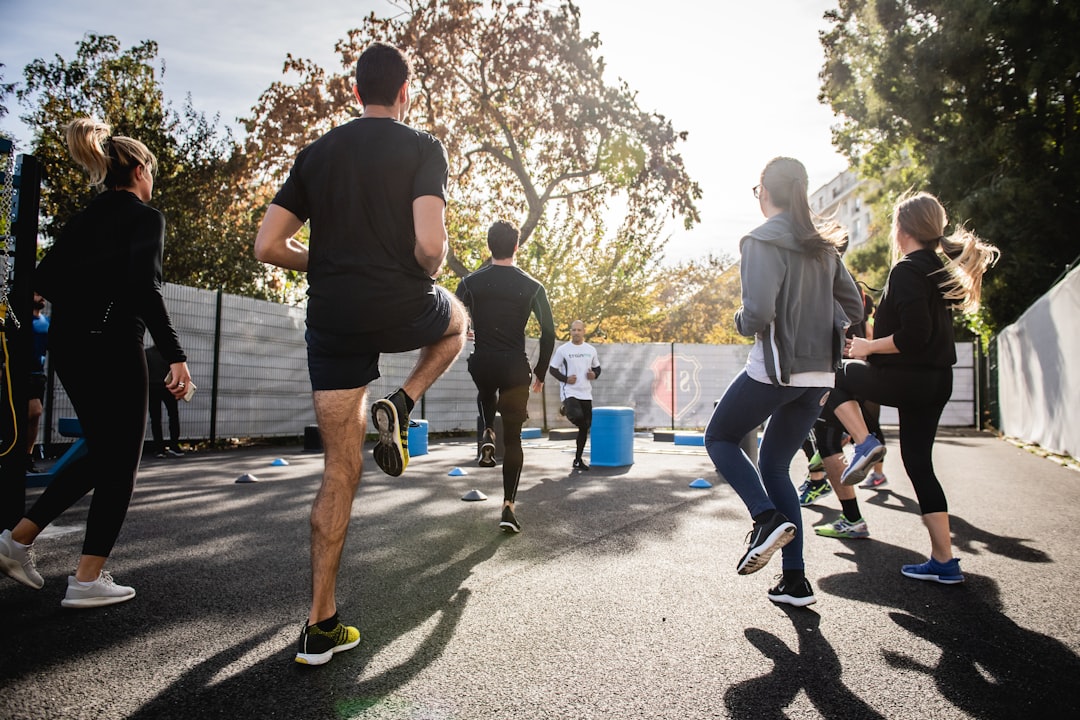
A Beginner’s Guide to Recovering Faster After Exercise
Feeling sore or wiped after a workout is normal, but recovery determines how quickly you can come back stronger. This guide gives practical, evidence-informed steps you can apply after almost any training session to reduce soreness, restore function, and maintain consistency.
Use these simple strategies — immediate actions, daily habits, and helpful gear — to speed recovery without overcomplicating your routine. Read on for easy-to-follow sections, a quick checklist, and answers to common questions.
Why recovery matters
Recovery lets muscles repair, nervous system fatigue dissipate, and energy stores rebuild. Consistent recovery supports performance, reduces injury risk, and helps you stick with a program. For a range of products to support daily self-care and topical treatments that can complement your routine, explore the Health & Beauty selection.
Immediate steps after exercise
Start recovery right away with these simple moves: cool down with 5–10 minutes of low-intensity movement, perform light stretching for the muscles you used, and change out of sweaty clothes to prevent chills. If you do strength or high-intensity work, add a short mobility sequence the same day to maintain range of motion. For gear and small tools tailored to workout follow-ups, check the Fitness category for ideas.
Nutrition and hydration that help
Refueling and rehydration are core recovery pillars. Aim for a meal or snack with protein and carbohydrates within 1–2 hours after exercise to support muscle repair and glycogen repletion. Drink water throughout the day and include electrolytes if you sweat heavily. Simple kitchen tools can make meal prep and recovery snacks easier; browse Home & Kitchen options to streamline post-workout meals.
Sleep and rest: the non-negotiable
Sleep is when much of the body’s repair happens. Prioritize 7–9 hours per night and keep consistent bedtimes. To monitor sleep patterns and see how training affects rest, many athletes use wearable trackers. If you want to explore devices that help capture sleep and recovery metrics, check the Smartwatches selection for options that fit your budget and needs.
Active recovery and mobility work
Active recovery — light movement like walking, cycling, yoga, or swimming — increases blood flow and can reduce stiffness without impeding adaptation. Spend 20–40 minutes on a low-intensity session the day after a hard workout. For outdoor activities or light cardio gear that supports low-impact movement, visit the Outdoors & Sports category for ideas and equipment.
Tools and gadgets that help
Small devices can make recovery easier and more consistent. Wearable trackers give objective data on heart rate variability, sleep, and activity; portable speakers or headphones create a calming environment for stretches and mobility sessions. If you prefer an all-in-one wearable with fitness and recovery features, consider the kkloffv Smart Watch for monitoring heart rate, sleep, and basic activity metrics. For audio to keep you motivated during cooldowns or stretching, a robust speaker like the TREBLAB HD77 Bluetooth Speaker is useful for guided mobility sessions or relaxing playlists.
Strength training and planned recovery
Structured strength work should include planned deloads and gradual progression. If you have access to a home setup, proper equipment helps you keep technique solid and manage volume safely. For those who train heavier or want a durable home station for controlled strength work, the Sunny Health & Fitness Power Zone Strength Rack provides a stable platform for progressive training and makes it easier to schedule recovery periods without sacrificing safety.
When to scale back and seek help
Persistent pain, sharp joint pain, swelling, or drastic drops in performance are signals to rest and consult a professional. If soreness lasts beyond a week without improvement, reduce training intensity and prioritize sleep, nutrition, and gentle mobility. Avoid pushing through unusual pain; recovery is about long-term consistency, not short-term bravado.
Sample 48-hour recovery routine
Here’s a concise routine you can repeat after most moderate to hard sessions:
- Immediate (0–30 min): Cool-down walk, light stretching, protein-rich snack, rehydrate.
- Evening (same day): Foam rolling or soft-tissue work (5–10 min), relaxation routine, aim for good sleep hygiene.
- Day 1 after: Active recovery (20–40 min low intensity), mobility sequence, balanced meals, track sleep.
- Day 2 after: Resume moderate training if soreness is mild; otherwise repeat active recovery and reassess.
Quick recovery checklist
- Cool down for 5–10 minutes after workouts
- Eat 20–30g of protein within 1–2 hours post-exercise
- Drink water and replace electrolytes when needed
- Move gently the day after intense sessions
- Prioritize 7–9 hours of sleep nightly
- Use tracking tools and reliable equipment to monitor progress
FAQ
Q: How soon should I stretch after exercising?
A: Perform light, focused stretching during your cooldown immediately after exercise, and add longer mobility sessions later the same day or the following day.
Q: Is ice or heat better for soreness?
A: Ice can reduce acute inflammation after injury; heat is more useful for relaxing tight muscles. For routine post-exercise soreness, gentle movement and time are usually best.
Q: Can I train daily if I recover properly?
A: Yes, if sessions vary in intensity and you include active recovery, adequate nutrition, and sleep. Plan harder sessions with sufficient low-intensity days or deloads.
Q: Do supplements speed recovery?
A: Certain supplements (like protein, creatine, and omega-3s) may support recovery in specific contexts, but whole-food nutrition, sleep, and consistent habits are primary.
Q: How can I tell if I’m overtraining?
A: Signs include persistent fatigue, poor sleep, declining performance, mood changes, or frequent illness. If several signs appear, reduce volume and consult a professional.
Conclusion
Faster recovery comes from consistent habits: immediate cooldowns, smart nutrition, quality sleep, active recovery, and sensible use of tools. Start with the small steps above and track what helps you most. Practical changes—like improving sleep and adding low-intensity recovery sessions—often yield the biggest gains.