
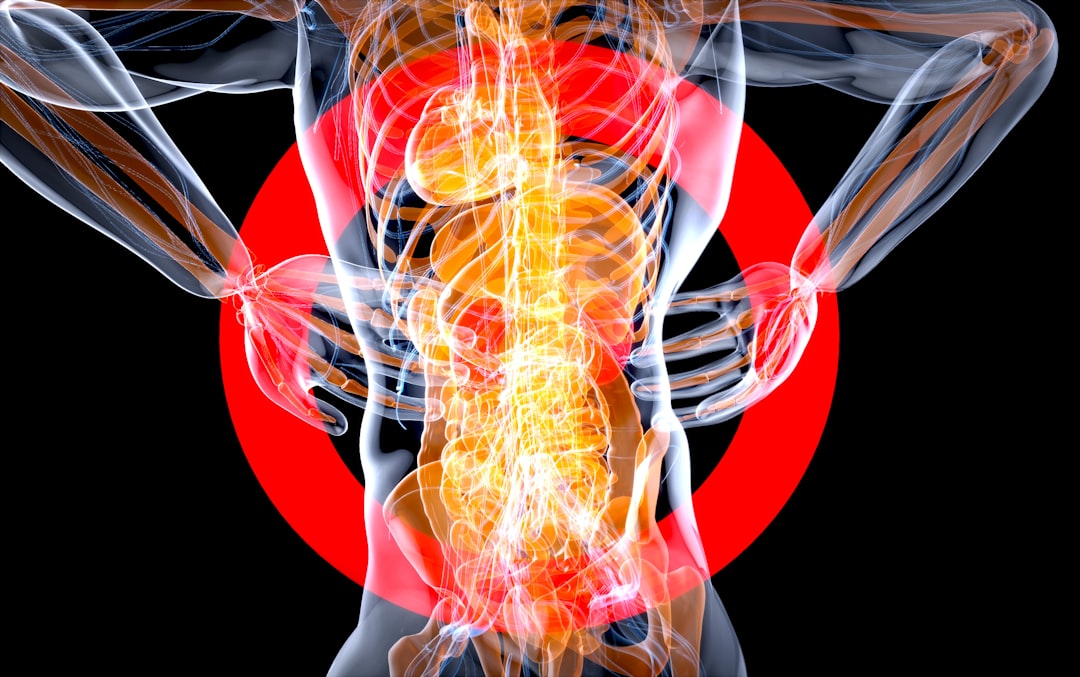
How to Fix Lower Back Pain After a Workout (Beginner-Friendly Guide)
Lower back pain after a workout is common, especially for beginners who push hard or use poor form. The right immediate actions, targeted mobility work, and small habit changes can reduce pain and prevent it from becoming a recurring problem.
This guide gives clear, practical steps you can use the same day and in the following weeks. If your pain is severe, radiates down the leg, or doesn’t improve in a few days, see a healthcare professional.
Immediate Steps: What to Do Right After the Workout
Right after you feel pain, stop the activity that caused it. Apply short-term strategies to reduce irritation: gentle movement, avoiding prolonged sitting, and using heat or ice for 10–15 minutes can help. For household recovery tools and supplies to manage pain at home, you can explore Home & Kitchen options that include mats, hot/cold packs, and supportive cushions.
Understand the Likely Causes
Lower back pain after exercise often comes from one of three things: muscular fatigue or strain, movement pattern errors (bad form), or weak supporting muscles (core/hips). It helps to review the workouts that preceded the pain—heavy deadlifts, poor squat technique, too much bending or twisting, or sudden increases in volume are common culprits. For guidance on exercise selection and safe progression, check general resources in Health & Beauty focused on fitness recovery products and supports.
Gentle Mobility and Stretching (First 24–72 Hours)
Start with low-load mobility to keep the spine moving without stressing it. Try these gentle movements 2–3 times daily:
- Pelvic tilts: 10–15 slow reps lying on your back.
- Cat–cow: 8–12 slow cycles to ease stiffness.
- Knee-to-chest stretch: 20–30 seconds per side.
- Standing hip hinge with hands on thighs: focus on moving through hips not spine.
If you prefer doing mobility outdoors or on a mat, basic gear like yoga mats or outdoor stretch tools can be found in Outdoors & Sports.
Corrective Strengthening: Build Support, Don’t Overload
Once acute pain has eased, focus on strengthening the hips, glutes, and core to protect the lower back. Prioritize controlled exercises like glute bridges, bird-dogs, side planks, and Romanian deadlifts with light load. If you train at home or plan progressive strength work, a stable rack or proper strength equipment makes heavier lifts safer—options like the Sunny Health & Fitness Power Zone Strength Rack provide a safe setup for squats and presses under supervision.
For gentle resistance training and portable options to add progressive load without complex gear, consider compact systems such as the Appareil de Musculation 35LB avec Elastique de Yoga de Force, which can be useful for controlled strengthening and rehabilitation work at home.
Recovery Modalities: Ice, Heat, Massage, and Foam Rolling
Icing can reduce initial inflammation for the first 24–48 hours if the pain feels sharp; after that, heat can help relax tight muscles. Massage and foam rolling on the glutes, hamstrings, and lower back can ease tension—avoid aggressive rolling directly on a very painful area. Look for topical supports, pain-relief balms, or therapeutic tools in the Health & Beauty section for safe over-the-counter options and recovery aids.
Monitor Recovery: Activity, Heart Rate, and Sleep
Track how activity level, heart rate, and sleep affect your recovery. Reduced sleep or elevated resting heart rate can mean slower healing. Consumer wearables make it easy to monitor trends—if you use a fitness tracker or smart device, check metrics and adjust training accordingly. Consider devices from the Smartwatches category to help monitor sleep and activity while you recover.
Ergonomics and Daily Habits
Poor posture during the day can perpetuate lower back pain even if the workout was the trigger. Use a supportive chair, maintain lumbar support when sitting, and avoid long periods of slouched sitting. Small changes—standing breaks every 30–45 minutes, using an ergonomic chair or a well-designed seating option—can make a big difference. Check Trending Furniture for seating and small furniture choices that support better posture at home.
Progression: How to Return to Training Safely
Return slowly. Start with lower intensity, reduced volume, and focus on technique. Reintroduce compound lifts by using lighter loads and strict form checks (use a mirror or record yourself). Add 10% or less volume/intensity per week and prioritize sessions that target weakness areas—hip strength and posterior chain work are key to preventing recurrence.
- Rest but keep moving with gentle walks and mobility work.
- Use ice for sharp inflammation, heat for stiffness after 48 hours.
- Do daily core and glute activation drills (5–10 minutes).
- Sleep and nutrition matter—support recovery with protein and good sleep.
- Seek professional help if symptoms are severe, worsening, or include numbness/weakness.
Checklist: Quick Actions After Lower Back Pain
- Stop the offending activity immediately.
- Move gently—avoid bed rest longer than 48 hours.
- Apply ice for acute pain, then heat for muscle tightness.
- Do gentle mobility: pelvic tilts, cat–cow, knee-to-chest.
- Begin core/glute activation once pain allows.
- Reduce training load and track sleep/heart-rate trends.
- If pain persists beyond a week or has red-flag symptoms, see a clinician.
FAQ
Q: Is it okay to keep training with mild lower back soreness?
A: Light activity and mobility are fine, but avoid heavy lifting, deep backbends, or high-impact work until pain subsides and you can move through basic drills without sharp pain.
Q: When should I see a doctor or physical therapist?
A: Seek professional care if your pain is severe, radiates below the knee, causes numbness/weakness, or doesn’t show improvement after several days of conservative care.
Q: Will stretching alone fix my back pain?
A: Stretching helps reduce tightness but strengthening the hips and core and correcting movement patterns are essential for lasting improvement.
Q: Should I use heat or ice?
A: Use ice for the first 24–48 hours if the pain is sharp or inflamed. After that, switch to heat to reduce muscle tightness. Stop any modality that increases pain.
Q: Can poor sleep make back pain worse?
A: Yes—poor sleep impairs recovery and can heighten pain sensitivity. Tracking sleep and improving sleep habits supports healing.
Conclusion — Practical Takeaway
Address lower back pain after a workout with immediate rest and sensible recovery, then follow a short program of mobility, targeted strengthening, and gradual progression. Use ergonomic supports and monitor sleep and activity to reduce recurrence. If pain is severe or persistent, consult a healthcare professional for personalized care.