
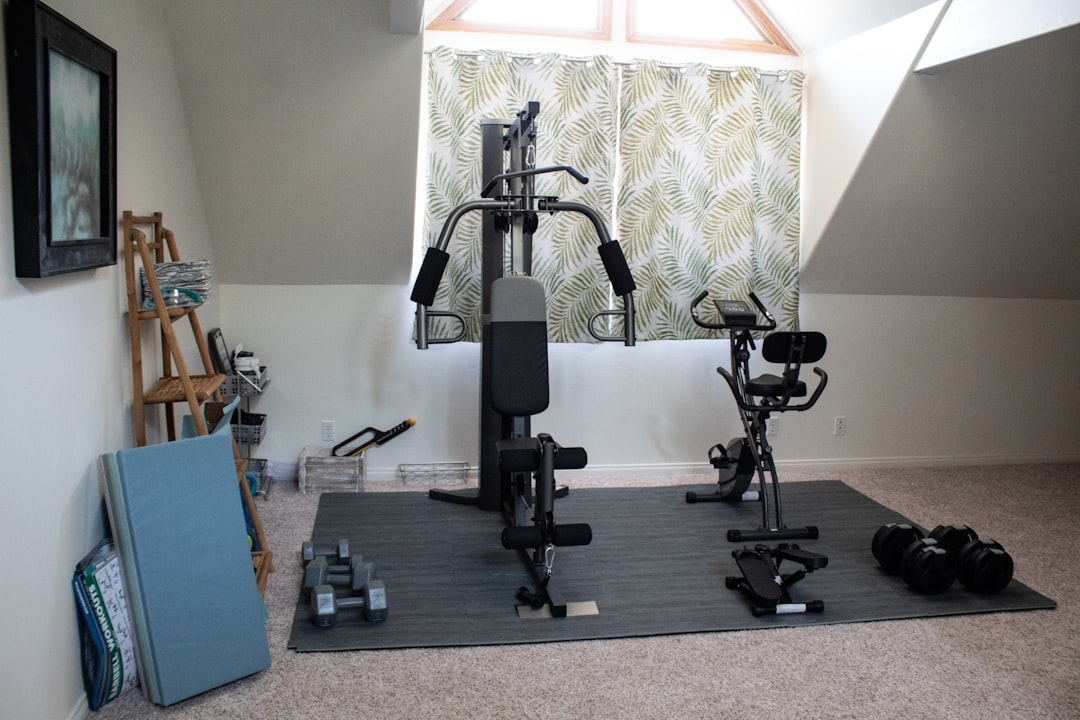
How to Set Up a Home Gym on Any Budget
Building a home gym can be practical, affordable, and one of the best steps you take for long-term fitness. A smart setup balances space, goals, and equipment so you get maximum value without overspending.
If you’re unsure where to start, browse a broad selection of gear to understand price ranges and options — from basic mats to full rigs — by checking the Fitness category for ideas and deals.
1. Define Your Goals and Budget
First, be specific. Are you training for strength, cardio endurance, mobility, or general health? A clear goal determines what equipment matters most. Set a realistic budget tier (starter: $50–$200, mid: $200–$800, dedicated: $800+) and plan purchases across phases.
2. Choose the Right Space
Pick a spot that fits your routine and the equipment you want. A spare corner, garage bay, or part of the living room can work. Think about floor protection, ceiling height for overhead moves, ventilation, and storage. For multipurpose rooms, review practical household solutions and accessories in the Home & Kitchen category to protect floors and keep things tidy.
3. Prioritize Purchases: What to Buy First
Prioritizing gives the biggest training return per dollar. For most people, buy in this order:
- Flooring or a durable mat to protect surfaces
- Adjustable dumbbells or a set of resistance bands
- Cardio tool (jump rope, bike, or treadmill) depending on preference
- Stability tools (bench, pull-up bar) later as budget allows
For outdoor-style gear or inexpensive strength tools like kettlebells and battle ropes, check options in the Outdoors & Sports category — many items adapt well to indoor use and are budget-friendly.
4. High-Impact, Low-Cost Equipment
You can get a very effective workout with a small, well-chosen set of items. Resistance bands, adjustable sliders, a kettlebell, and a good jump rope cover strength, mobility, and cardio at low cost. One compact option combines several functions and is ideal for tight budgets: the compact resistance system is an example of an affordable, versatile kit that saves space while allowing progressive workouts.
5. Upgrade as You Grow: Mid and High-Budget Picks
When your goals or capacity expand, invest in equipment that lasts and supports heavier training. A power rack or strength cage becomes essential if you plan on barbell work and progressive strength increases. If you’re ready to take a serious step, consider a full rack setup — for example, the power rack is a durable option that supports squats, bench presses, and pull-ups safely.
Buy used to cut cost—bars, plates, and benches are commonly sold secondhand and remain excellent value if inspected for wear.
6. Storage, Furniture, and Smart Layouts
Organization keeps a home gym functional and inviting. Use shelving, wall hooks, and compact benches so equipment is accessible and the room stays safe. If you want stylish, practical pieces that fit a living-space gym, explore trending furniture that doubles as storage and seating — good furniture choices keep your space multi-use without looking cluttered.
7. Create a Motivating Environment
Small touches raise adherence: good lighting, a mirror for form checks, an anchored pull-up bar, and music. A quality portable speaker elevates training sessions and keeps intensity high. Consider a reliable option like this portable Bluetooth speaker for workouts and classes.
8. Track Progress and Stay Safe
Tracking helps you progress and avoid plateaus. A basic notebook or simple app works fine, but wearable devices make logging workouts easier. If tracking metrics like heart rate, steps, or workouts appeals to you, look into the smartwatches category for devices that pair with phones and help you measure effort, recovery, and sleep.
Safety basics: warm up, choose appropriate loads, maintain good form, and have a plan for progression. Learn how to spot or use safety bars on racks and keep emergency contacts accessible if you train alone with heavy loads.
Checklist: Home Gym Essentials
- Define goals and set a realistic budget
- Designate a dedicated space and protect flooring
- Buy versatile, high-impact items first (bands, adjustable weights, jump rope)
- Plan upgrades: bench, rack, heavier plates as needed
- Organize equipment with storage and furniture for a tidy space
- Add motivational elements (music, mirror, good lighting)
- Track workouts and prioritize safety
FAQ
- Q: What’s the cheapest way to start a home gym?
A: Start with resistance bands, a jump rope, and adjustable dumbbells or kettlebell — these cover most movement patterns and cost very little. - Q: Do I need a lot of space?
A: No. Many effective workouts require only a few square feet. Prioritize ceiling clearance, a stable floor area, and room for bodyweight movements. - Q: How do I choose between a treadmill, bike, or rower?
A: Base it on preference, injury history, and available space. Runners often prefer treadmills; cyclists, a bike. Rowers provide full-body cardio in a small footprint. - Q: Is it worth investing in a power rack?
A: If you plan progressive barbell training or heavy lifts, yes — a rack adds safety and versatility. Otherwise, focus on lighter, portable options. - Q: How can I stay motivated at home?
A: Set a schedule, create a dedicated environment, use music or speakers, and track small wins. Group classes or online coaching can also boost accountability.
Conclusion
Setting up a home gym doesn’t require unlimited funds — it requires choices that align with your goals. Start with versatile, budget-friendly pieces, protect and organize your space, and upgrade strategically. Small, consistent investments in equipment, tracking, and environment will deliver real fitness results over time.